Creating a Sustainable Future

Unsustainability today happens when people use too many natural resources without thinking about the future. For example, cutting down too many trees, wasting water, and using gas and oil too much are bad for the planet. Factories and cars make the air dirty, and garbage like plastic pollutes the oceans and hurts animals. Farmers sometimes use the land too much, which can make it hard to grow food later. If we keep doing this, there won't be enough clean water, air, or food for everyone in the future. It's important to take care of the Earth by saving resources, reducing waste, and using clean energy like wind or solar power.

Learn More

What is Sustainability?

Sustainability is the practice of meeting our current needs without compromising the ability of future generations to meet theirs. It involves using resources wisely, avoiding overconsumption, and ensuring a balance between environmental, social, and economic needs. While renewable resources are vital for sustainability, their mere availability does not guarantee it. Overuse of even renewable resources, such as food, can lead to unsustainability. It's essential to consume thoughtfully and with care.

Explore Solutions

Sustainable Solutions

We offer innovative approaches to address environmental challenges and promote sustainable living. Explore our key focus areas below.
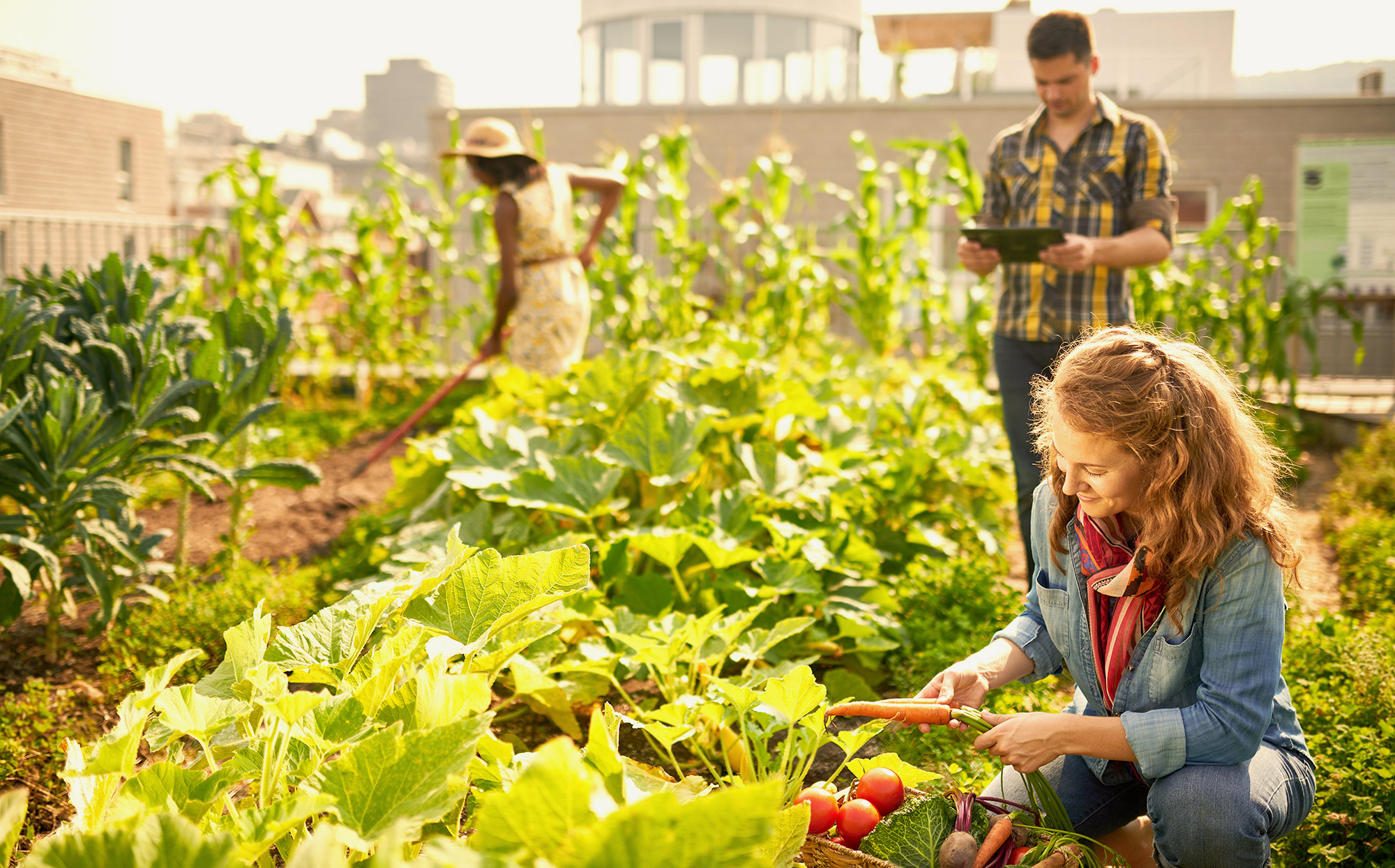
Sustainable Food

Sustainable Food

Our food systems can support both people and planet through organic farming, reducing waste, and supporting local agriculture.

Learn more
Clean Water

Water Conservation

Preserving our water resources through efficient management, pollution prevention, and innovative purification techniques.

Learn more
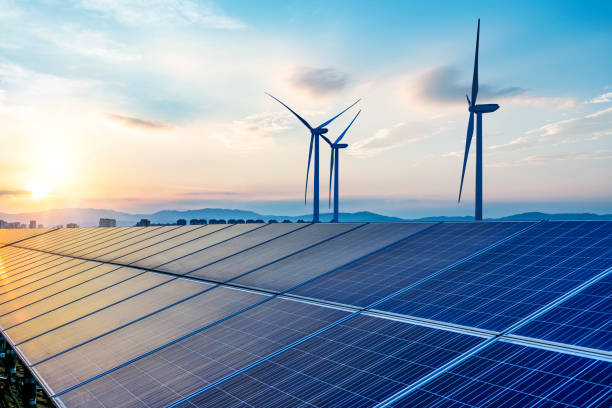
Renewable Energy

Renewable Energy

Clean energy solutions like solar and wind power help reduce emissions and create a more sustainable energy future.

Learn more

Environmental Impact Calculator

Calculate your personal environmental footprint and discover ways to reduce your impact on the planet.

Calculate Your Impact

Adjust the sliders based on your daily habits and lifestyle to see your environmental impact.

20 miles

How many miles do you travel by car each day on average?

500 kWh

Average monthly electricity consumption of your household.

80 gal

How many gallons of water do you use each day?

10 servings

How many servings of meat do you eat each week?

25 lbs

How many pounds of trash do you generate each week?

30 %

What percentage of your waste do you recycle?

Your Environmental Impact Results

Carbon Footprint:
Water Usage Impact:
Waste Generation Impact:
Personalized Tips to Reduce Your Impact:

    Sustainable Food

    ×
    Sustainable Food

    Benefits of Sustainable Food Systems

    Sustainable food systems prioritize environmentally friendly farming practices, reduce food waste, and support local economies. By choosing sustainable food options, you're contributing to:

    • Reduction in greenhouse gas emissions from agriculture
    • Conservation of water resources
    • Protection of soil health and biodiversity
    • Support for local farmers and communities
    • Improved nutrition and food security

    How You Can Make a Difference

    Small changes in your food choices can have a significant impact:

    • Buy organic and locally grown produce when possible
    • Reduce meat consumption or choose sustainably raised animal products
    • Plan meals to minimize food waste
    • Compost food scraps
    • Support farmers markets and community-supported agriculture (CSA) programs

    Water Conservation

    ×
    Water Conservation

    Importance of Water Conservation

    Water is a precious resource that's essential for all life on Earth. Despite covering 70% of our planet, only 3% is freshwater, and much of that is inaccessible. Conserving water helps:

    • Protect natural ecosystems and wildlife habitats
    • Reduce energy consumption associated with water treatment
    • Ensure water security for future generations
    • Minimize pollution in rivers, lakes, and oceans
    • Lower water and sewage bills

    Practical Water Conservation Strategies

    Everyone can contribute to water conservation through simple daily practices:

    • Fix leaky faucets and pipes
    • Install water-efficient fixtures and appliances
    • Take shorter showers and turn off the tap when not in use
    • Collect rainwater for garden use
    • Choose drought-resistant plants for landscaping

    Renewable Energy

    ×
    Renewable Energy

    The Power of Renewable Energy

    Renewable energy sources like solar, wind, and hydropower provide clean alternatives to fossil fuels. The benefits of transitioning to renewable energy include:

    • Significant reduction in greenhouse gas emissions
    • Improved air quality and public health
    • Energy independence and price stability
    • Job creation in the green economy
    • Sustainable and infinite energy supply

    Embracing Renewable Energy

    You can support the transition to renewable energy through these actions:

    • Install solar panels on your home if possible
    • Switch to a renewable energy provider for your electricity
    • Invest in energy-efficient appliances and LED lighting
    • Support policies that promote renewable energy development
    • Consider community solar programs if individual installation isn't feasible